
Installing an air conditioning system can significantly improve comfort in your home or office, but the process requires careful preparation to ensure a smooth and efficient setup. Before beginning the installation, it is important to assess the space where the unit will be placed. Consider factors such as room size, insulation quality, and window placement, as these influence the cooling capacity needed for optimal performance. Measuring the area accurately helps in selecting an appropriately sized air conditioner that will neither underperform nor waste energy.
Next, evaluate electrical requirements since air conditioners often demand specific voltage and amperage levels. Confirm that your existing electrical panel can support the new unit without overloading circuits. If necessary, consult a licensed electrician to upgrade wiring or install dedicated breakers before proceeding with installation. Proper power supply prevents potential hazards and ensures consistent operation of the system.
The location of both indoor and outdoor units should be chosen thoughtfully to maximize efficiency and minimize noise disruption. The outdoor condenser must have adequate clearance for airflow and maintenance access while being shielded from direct sunlight or heavy debris accumulation. Indoor units benefit from central positioning within rooms to distribute cool air evenly without obstruction by furniture or curtains.
Before mounting uncover more any components, verify that all required tools and materials are available on-site. This includes mounting brackets, screws, sealants, refrigerant lines, drainage pipes, insulation tape, and appropriate safety gear for installers. Having everything prepared reduces delays during installation.
During setup, attention should be paid to proper sealing around wall openings where refrigerant lines pass through to prevent leaks or moisture intrusion which could lead to damage over time. Insulating refrigerant pipes adequately helps maintain cooling efficiency by reducing thermal loss between indoor and outdoor units.
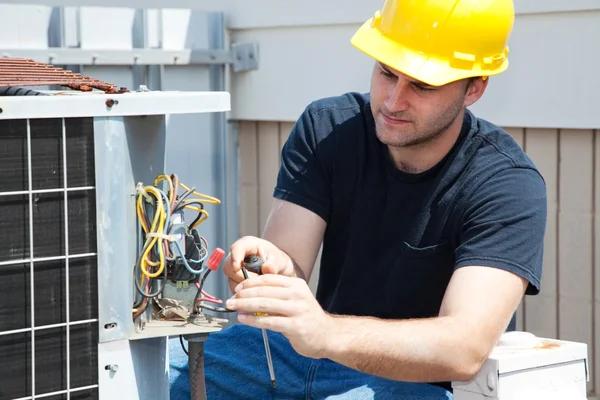
Once physical installation is complete, check refrigerant levels carefully according to manufacturer specifications; improper charging can negatively affect system performance or cause compressor failure. Testing electrical connections ensures safe operation without shorts or loose contacts.
Finally, perform a full operational test by running the air conditioner through different modes such as cooling fan speed settings while monitoring temperature changes inside the space. Listen for unusual noises indicating mechanical issues needing correction before finalizing work.