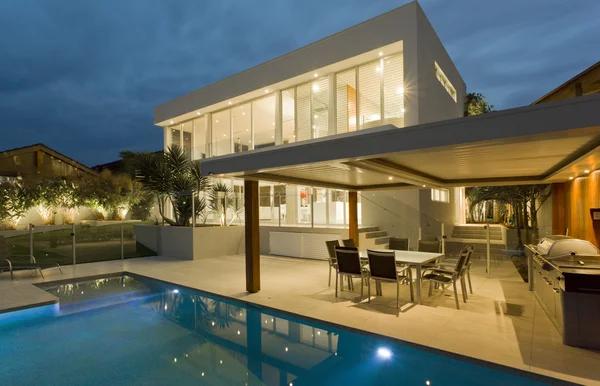

Improving a home’s exterior can greatly enhance its curb appeal and value, but it requires careful planning and execution to avoid common mistakes. One of the most frequent errors homeowners make is neglecting to consider the overall style and architecture of their house before making changes. Exterior improvements should complement the existing design rather than clash with it. For example, installing modern fixtures on a traditional-style home may create visual dissonance that detracts from its charm. It is essential to research styles that harmonize with your property’s character.
Another mistake involves overlooking proper maintenance before starting any new project. If siding, gutters, or windows are damaged or deteriorating, these issues should be addressed first to prevent further problems down the line. Ignoring underlying damage can lead to wasted effort and resources when new features are added over faulty foundations or surfaces.
Choosing low-quality materials in an attempt to save money often backfires as well. While budget constraints are understandable, investing in durable products designed for outdoor use ensures longevity and reduces future repair costs. Cheap paint may peel quickly under weather exposure, while inferior landscaping elements might not withstand seasonal changes. Selecting reputable brands suited to local climate conditions helps maintain appearance and uncover hidden gems function over time.
Color selection also plays a critical role in exterior improvement projects but is frequently mishandled by homeowners who pick shades without testing them first on different parts of the house or at various times of day. Colors can look very different depending on lighting conditions, so sampling paint swatches beforehand prevents disappointing results after full application.
Lighting placement deserves attention too since poorly positioned fixtures can cause glare or fail to highlight key architectural features effectively. Thoughtful illumination enhances safety while showcasing your home’s best attributes during evening hours.
Landscaping choices must align with both aesthetics and practicality; planting species incompatible with soil type or sunlight availability leads to poor growth and increased maintenance efforts later on.
Finally, failing to obtain necessary permits or ignoring local building codes risks costly fines and forced removal of unauthorized work. Consulting professionals ensures compliance with regulations while benefiting from expert advice tailored specifically for your property’s needs.
By avoiding these pitfalls-disregarding style coherence, skipping repairs, opting for subpar materials, misjudging colors and lighting, choosing unsuitable plants, or neglecting legal requirements-homeowners can achieve successful exterior enhancements that boost both beauty and functionality without unnecessary setbacks or expenses.