
Fire protection is an essential consideration for modern business owners, encompassing a range of strategies and systems designed to prevent fires from starting or mitigate their impact. As businesses evolve, embracing more technology and complex infrastructures, the importance of robust fire protection measures becomes increasingly critical.
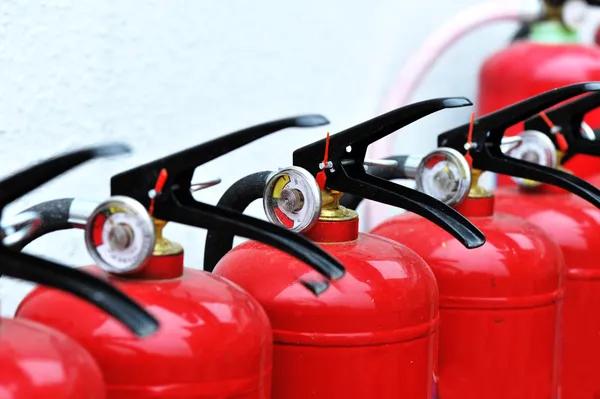
Firstly, safeguarding human life is paramount. Employees are a company’s most valuable asset, and ensuring their safety should be a top priority. Effective fire protection systems can significantly reduce the risk of injury or fatalities in the event of a fire. This includes installing smoke detectors, sprinkler systems, and providing clear evacuation routes. Regular training and drills also prepare employees to respond swiftly in emergencies, potentially saving lives.
Moreover, protecting property and assets is crucial for maintaining business continuity. Fires can cause extensive damage to buildings, machinery, inventory, and data centers. Such losses can lead to significant financial setbacks or even force businesses to close permanently if recovery costs become insurmountable. Implementing comprehensive fire protection measures helps minimize these risks by containing fires quickly before they escalate into catastrophic events.
Compliance with legal regulations is another key reason for prioritizing fire protection. Most jurisdictions have stringent laws regarding fire safety standards that businesses must adhere to avoid penalties see our site or legal liabilities. Non-compliance not only leads to fines but may also tarnish a company’s reputation among clients and partners who value adherence to safety norms.
Insurance considerations further underscore the importance of effective fire protection strategies. Insurance companies often assess a business’s risk profile based on its commitment to preventing fires when determining premiums for coverage policies. Companies demonstrating proactive measures in this regard typically benefit from lower insurance premiums compared with those lacking adequate protections against potential hazards like fires.