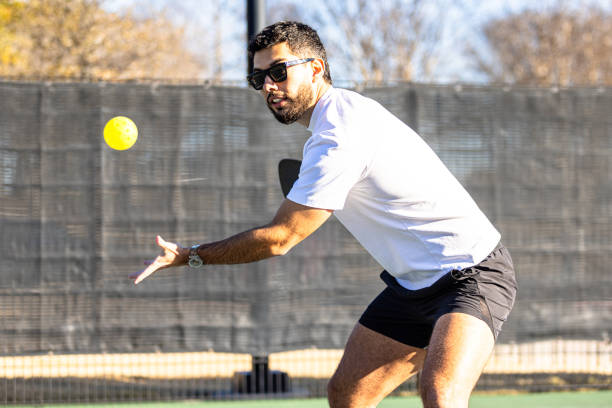

Pickleball has rapidly gained popularity across Texas, attracting players of all ages and skill levels. As the sport continues to grow, well-organized pickleball events have become increasingly important for fostering community engagement, promoting healthy competition, and supporting the overall development of the game in the state. Effective event planning ensures that participants have a positive experience, which encourages repeat attendance and helps build a loyal player base.
A well-organized pickleball event provides structure and clarity for players, officials, and spectators alike. Clear communication regarding schedules, rules, registration processes, and venue logistics minimizes confusion and frustration. This organization allows players to focus on their performance rather than worrying about administrative issues or unexpected changes. In addition to enhancing player satisfaction, smooth operations contribute to the event’s reputation within local communities and beyond.
In Texas Open Pickleball specifically, where diverse populations live across urban centers like Austin and Dallas as well as rural areas with smaller communities, organizing inclusive events is crucial. Events that accommodate various skill levels-from beginners to advanced competitors-help promote accessibility in pickleball. Offering different divisions or age categories creates opportunities for everyone to participate meaningfully while ensuring fair competition. Such inclusivity strengthens social bonds among participants by bringing together people from different backgrounds who share a common interest.
Moreover, well-managed tournaments can attract sponsorships from local businesses eager to support community activities while gaining exposure through branding opportunities at venues or promotional materials. These partnerships often provide financial backing necessary for securing quality facilities or offering prizes that motivate competitors further. The economic impact extends beyond just players; successful events draw visitors who contribute to local hospitality industries such as hotels and restaurants.
Safety is another critical aspect addressed through careful event organization. Ensuring proper court maintenance prevents injuries caused by uneven surfaces or debris during play. Having trained staff on-site ready to handle emergencies enhances participant confidence in attending future competitions without worry about health risks.
Finally, consistent scheduling of high-quality pickleball events helps establish Texas as a leading hub for this sport nationally. Regular tournaments create pathways for talent identification and development while encouraging youth involvement through junior leagues or clinics held alongside major competitions.
In summary, well-organized pickleball events are essential in Texas not only because they improve individual experiences but also because they foster community spirit, promote inclusivity across skill levels and demographics, generate economic benefits through sponsorships and tourism dollars generated by attendees visiting host cities; ensure safety standards are met; support competitive growth; encourage youth participation; enhance reputations locally & nationally-all contributing significantly toward sustaining long-term enthusiasm around one of America’s fastest-growing sports today throughout the Lone Star State regionally & beyond its borders too!