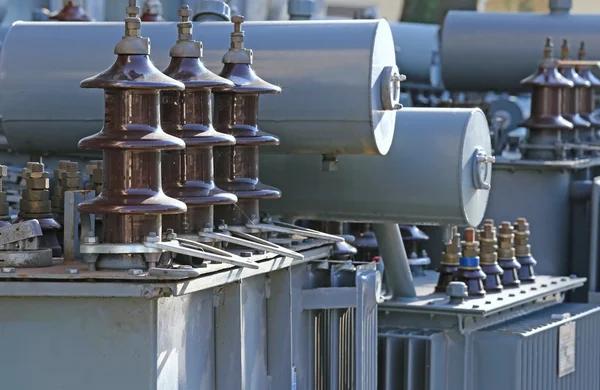

Transformer blast walls play a critical role in safeguarding facilities from potential explosion hazards. As the demand for electricity continues to rise, so does the complexity and number of electrical transformers required to manage this energy. These transformers are pivotal in distributing electricity efficiently across vast networks but also pose significant risks due to their inherent vulnerability to faults and failures that can lead to catastrophic explosions.
The primary function of transformer blast walls is to act as a barrier that mitigates the impact of an explosion. When a transformer fails, it can release enormous amounts of energy, resulting in fireballs, flying debris, and intense pressure waves. Without proper containment measures like blast walls, these explosive forces can cause extensive damage not only to other nearby equipment but also threaten human lives and environmental safety.
Constructed from materials such as reinforced concrete or steel, Transformer Blast Walls are designed with high tensile strength and durability in mind. Their robust construction allows them to withstand extreme conditions by absorbing shockwaves and containing shrapnel within a confined space. This containment is crucial because it prevents secondary explosions or fires from being triggered by flying debris impacting adjacent infrastructure or igniting flammable substances stored nearby.
Moreover, transformer blast walls contribute significantly to minimizing downtime following an incident. By localizing the effects of an explosion, they protect critical assets such as power lines, substations, and control rooms which are essential for maintaining uninterrupted power supply operations. The ability of these barriers to limit damage ensures that repair efforts can be more focused and efficient, reducing recovery time considerably compared with scenarios where no protective measures were in place.
Additionally, regulatory compliance often necessitates the installation of transformer blast walls as part of comprehensive safety standards set forth by authorities overseeing industrial operations involving hazardous materials. Adhering to these regulations not only helps companies avoid legal repercussions but also reinforces their commitment towards operational safety and sustainability practices.
Incorporating advanced design features further enhances the effectiveness of transformer blast walls. Modern engineering techniques allow for customizable solutions tailored specifically according to site-specific requirements such as geographical location or prevailing weather conditions which may influence structural integrity over time if not properly addressed during initial planning stages.
Ultimately though perhaps unseen until needed most critically – investing into well-designed protective structures like transformer blasts wall demonstrates foresight regarding risk management strategies aimed at preserving both human life alongside infrastructural investments against unforeseen adversities posed inherently through handling high voltage electric systems daily operation environments worldwide today making them indispensable components integral overall facility protection plans everywhere globally now more than ever before given current technological advancements ongoing developments continually reshaping industry landscapes rapidly evolving pace new challenges emerge regularly confronting stakeholders involved every level decision-making processes alike across sectors industries involved therein universally applicable contexts accordingly without exception whatsoever indeed truly vital importance cannot overstated enough really!