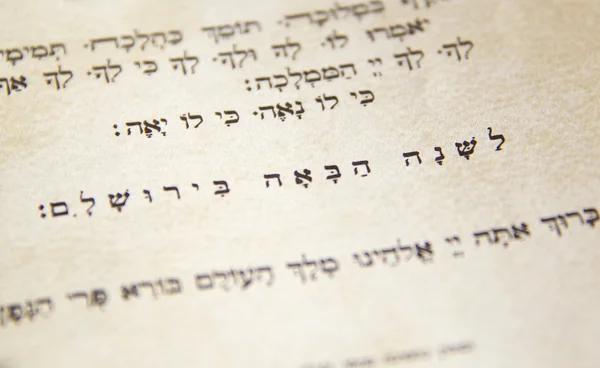

The Kaddish is a profoundly significant prayer in Jewish tradition, primarily known as a mourner’s prayer. It serves to honor the memory of deceased loved ones and to affirm faith in God despite loss. However, the term “Kaddish” encompasses various types of services, each serving different purposes within Jewish worship and life cycle events. Exploring these different types of Kaddish services helps deepen our understanding of their spiritual and communal importance.
The most commonly recognized Kaddish is the Mourner’s Kaddish, recited by those mourning the death of a close relative. This service is traditionally said during prayer services for 11 months following the death and on the anniversary of the loved one’s passing, known as the Yahrzeit. The Mourner’s Kaddish is a powerful expression of grief and hope, emphasizing the sanctification of God’s name despite the personal sorrow experienced by the mourner. It is typically recited with a minyan, a quorum of ten adult Jews, underscoring the communal nature of Jewish mourning.
In addition to the Mourner’s Kaddish, there are other forms of Kaddish that appear in daily and special prayer services. The Kaddish Shalem, or Full Kaddish, is recited at the end of a prayer service, marking kaddish services its completion. It is a celebratory prayer that praises God and concludes the service with a positive affirmation of faith. Unlike the Mourner’s Kaddish, it is not connected to mourning but is a general expression of sanctification and praise.
Another variation is the Kaddish Titkabal, a special form of the prayer recited during the Ne’ilah service on Yom Kippur, the Day of Atonement. This Kaddish asks God to accept the prayers and penitence of the congregation. It reflects a communal plea for forgiveness and renewal, highlighting the prayer’s role in the broader spiritual life of the community beyond mourning.
The Kaddish Yasom, also known as the Orphan’s Kaddish, is recited by individuals who have lost one or both parents. This version of the prayer carries a particularly poignant resonance, symbolizing the personal loss and the continuation of faith in adverse circumstances.
Each type of Kaddish service, while varying in context and wording, carries a unifying theme of reaffirming faith, sanctifying God’s name, and fostering communal solidarity. Whether recited in moments of grief or celebration, Kaddish remains a central pillar of Jewish prayer life. Understanding these variations enriches our appreciation of the prayer’s multifaceted role in Jewish spirituality and community.